What Are Sulfates?
Sulfates are cleansing agents, also known as surfactants, that help remove oil, dirt, product buildup, and debris from the hair and scalp. They are also responsible for the rich lather many people associate with shampoo.
Not all sulfates are the same, and more importantly, sulfates are only one component of a much larger formulation.
A shampoo cannot be judged by a single ingredient alone.
Why Sulfates Got a Bad Reputation
Over the years, many inexpensive shampoos used strong cleansing agents in overly aggressive concentrations without properly balancing them with moisturizing and conditioning ingredients.
As a result, some shampoos left the hair feeling dry, rough, or stripped—especially on chemically treated hair.
Poor Formulation Was Often the Real Problem
This led many consumers to believe sulfates themselves were the issue.
In reality, the problem was often poor formulation, not necessarily the presence of sulfates.
Sulfate-Free Does Not Automatically Mean Better
One of the biggest myths in professional haircare is that sulfate-free shampoos are always gentler or healthier.
In fact, some sulfate-free formulas can:
Leave excessive buildup on the hair
Feel heavy or coated
Fail to properly cleanse the scalp
Cause dryness depending on the alternative surfactants used
"Sulfate-free" is not a guarantee of quality.
What Actually Determines Shampoo Performance?
A shampoo's effectiveness depends on:
Ingredient quality
Formula balance
pH level
Ingredient concentration
Moisturizing agents
Conditioning ingredients
Overall chemistry of the product
The entire formulation matters.
When Everything Is Sulfate-Free, How Do You Actually Choose?
Today's marketplace has created a new challenge.
With nearly every shampoo brand claiming to be sulfate-free, the label itself has lost much of its meaning.
If almost every bottle on the shelf carries the same claim, how do you know what's actually better?
The answer is simple: you can't rely on the label alone.
What Really Differentiates One Shampoo From Another?
Instead, consider:
The overall quality of the ingredient system
How the cleansing agents are balanced
Whether the formula is moisturizing or overly stripping
The pH level of the product
How it performs over time
Whether it was designed for professional results or marketing appeal
Formulation Matters More Than Labels
A shampoo being sulfate-free tells you very little about how it will actually perform on your hair.
Two sulfate-free shampoos can behave completely differently. One may leave hair soft, balanced, and healthy, while another may create buildup, dryness, or scalp issues.
This is where professional recommendations become valuable.
The label is no longer the decision-maker—the formulation is.
Luxury Haircare Is About Balance
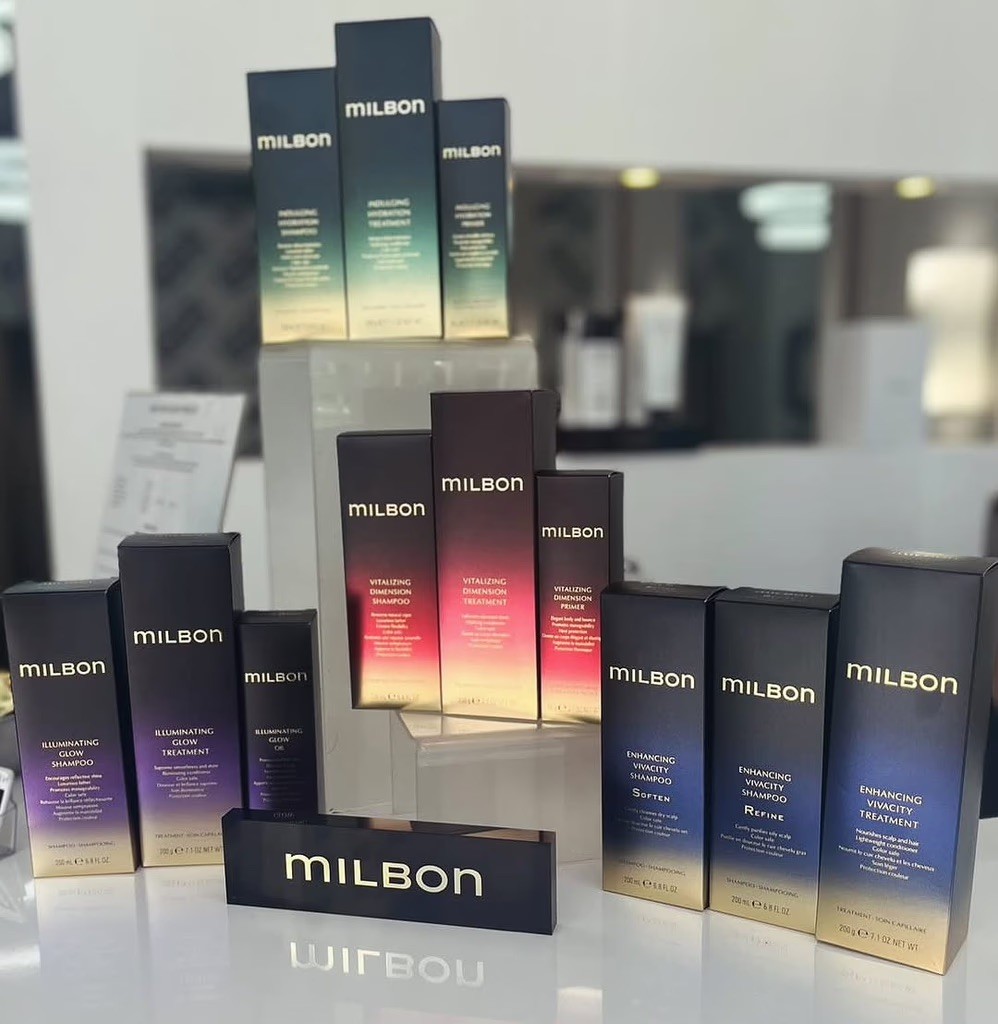
At Nero Hair Salon, we have trusted Milbon products for nearly two decades because of their advanced approach to hair science and formulation.
Interestingly, some Milbon shampoos contain sulfates, while others do not.
Why Does Milbon Use Different Approaches?
Because different hair types and concerns require different solutions.
Milbon formulates products based on:
Hair condition
Scalp health
Moisture balance
Treatment compatibility
Real-world performance
Not marketing trends.
A Well-Formulated Shampoo Can Still Be Gentle
A properly balanced luxury shampoo containing sulfates can still be:
Color-safe
Japanese straightening-safe
Gentle for daily use
Supportive of healthy hair and scalp conditions
What About Color-Treated or Japanese Straightened Hair?
Many clients assume they must completely avoid sulfates after color services or Japanese Hair Straightening treatments.
The truth is far more individualized.
The Right Shampoo Depends On:
Hair texture
Porosity
Moisture levels
Scalp condition
Washing frequency
The specific professional service performed
In many cases, professionally formulated shampoos containing balanced sulfates can maintain color beautifully and support the longevity of smoothing services.
The key is using products specifically recommended for your unique hair needs.
The Bigger Problem: Fear-Based Marketing
The beauty industry often simplifies complex chemistry into easy-to-market buzzwords.
Terms like:
Sulfate-Free
Paraben-Free
Chemical-Free
can create unnecessary fear without explaining the actual science behind product formulations.
Haircare Is Chemistry
Professional products should be evaluated based on:
Scientific research
Performance
Ingredient synergy
Long-term hair health
Professional expertise
Not simply one claim on the bottle.
Our Philosophy at Nero Hair Salon
Our goal is never to push trends or fear-based marketing.
Instead, we focus on finding the right products for each client based on their individual goals, lifestyle, and hair history.
Some Clients Benefit From Sulfate-Free Products
For certain hair types and concerns, sulfate-free formulas can be an excellent choice.
Others Benefit From Carefully Formulated Sulfate Systems
For other clients, shampoos containing balanced sulfates provide:
Better scalp cleansing
Improved product performance
Healthier long-term results
The key is choosing products based on science, formulation quality, and professional guidance—not internet myths.
Final Thoughts
Sulfate-free shampoos are not automatically better.
Shampoos containing sulfates are not automatically harmful.
Healthy hair comes from using the right formula for your specific needs.
If you're unsure which shampoo is best for your color-treated hair, Japanese Hair Straightening treatment, or everyday haircare routine, our team at Nero Hair Salon can help guide you toward the products best suited for your hair type, goals, and long-term hair health.