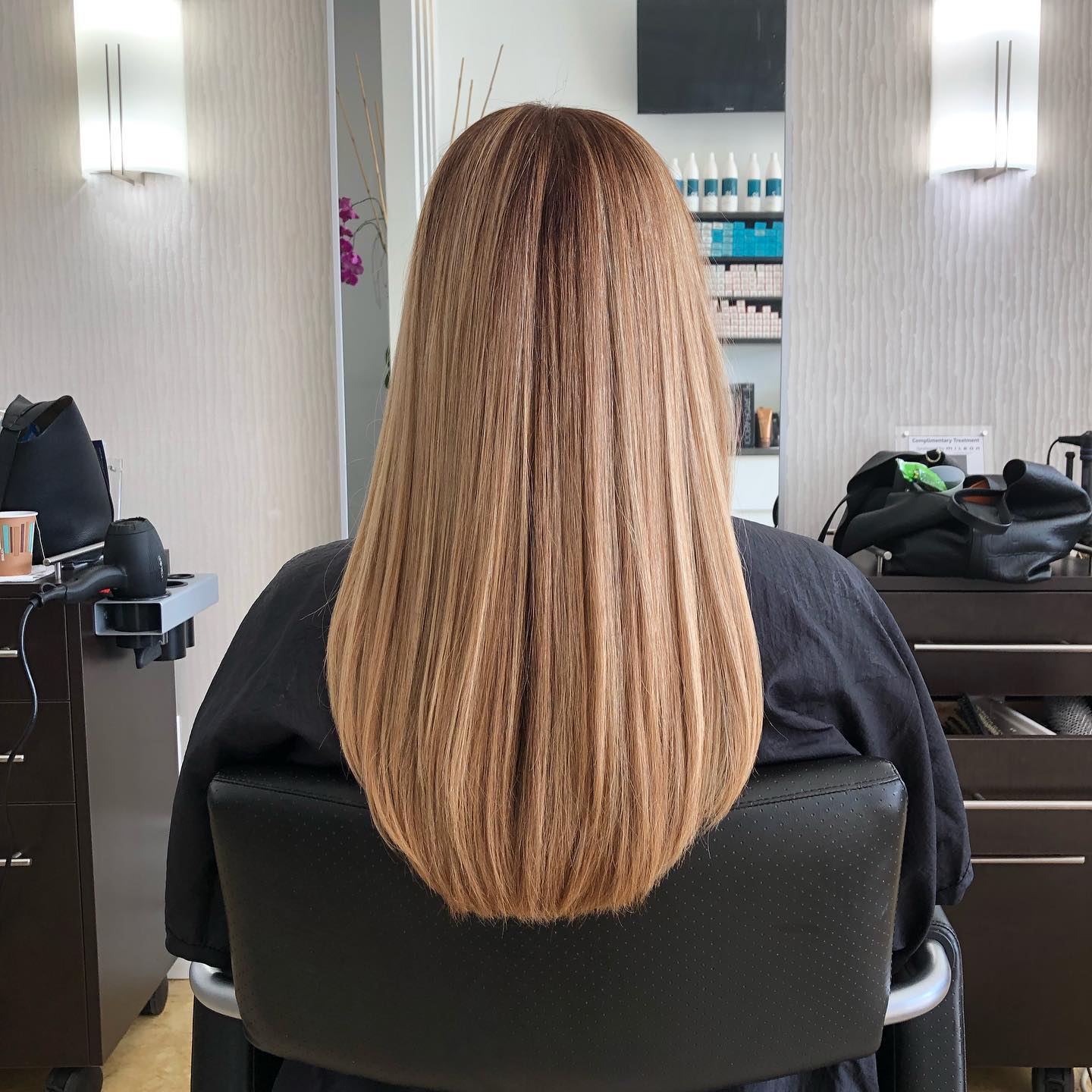
9 Expert Tips to Maintain Your Japanese Hair Straightening Results
Japanese Hair Straightening has become one of the most sought-after hair treatments for people looking to reduce frizz, simplify their styling routine, and achieve long-lasting smoothness. Especially in humid climates like Miami, the treatment can completely transform the way hair looks and feels day to day.
But while the results are long-lasting, proper maintenance is key to keeping your hair healthy, sleek, and strong over time. From the first 48 hours after treatment to long-term upkeep, the right aftercare routine can make a major difference in preserving both the appearance and integrity of the hair.
Hair experts at Nero Hair Salon recommend the following tips to help clients extend the life of their Japanese Hair Straightening results.
1. Avoid Water, Sweat and Hair Creases For The First 48 Hours
The first two days after Japanese Hair Straightening are crucial.
During this period, the hair is still settling into its newly constructed shape, meaning any moisture or bending could cause harm to the final results. It's important to avoid:
Washing the hair
Sweating or intense workouts
Ponytails or buns
Hair clips, barrettes, or hats
Tucking hair behind the ears
Keeping the hair completely straight and untouched during this window of time, ensures for the most smooth and consistent results.
2. Use Salon-Quality Shampoo and Conditioner
Japanese Hair Straightening is permanent on the hair that has been treated, so shampoo and conditioner won’t make the straightening last longer. Instead, they help maintain the quality of your hair.
Healthy hair looks shinier, feels softer, resists breakage better, and holds color more beautifully. While inexpensive products often contain harsher ingredients that can leave the hair feeling dry or less manageable over time.
Because Japanese Hair Straightening is an investment in your hair, we recommend professional home care products that support the long-term health, appearance, and integrity of your hair; so your results continue to look as beautiful in month six as they did in month one.
Many salons, including Nero Hair Salon, often recommend products from Milbon to help maintain hydration, softness, and overall hair health after straightening services.
3. Sleep on a Silk Pillowcase
This is important as a silk pillowcase can help preserve smoothness while reducing unnecessary friction overnight.
In contrast to traditional cotton, silk significantly lowers surface friction against the hair, which helps to minimize frizz and dryness while sleeping. It’s a small change that can help maintain sleek results between salon visits.
4. Minimize Heat Styling & Always Use Heat Protectant
One of the biggest advantages of Japanese Hair Straightening is reducing the need for daily hair straightening.
Because the hair is already permanently straightened during the process, excessive heat styling can lead to dryness or breakage over time. When using hot tools, applying a professional heat protectant is essential.
Whenever you do need a refresh or want to add a little heat, blow-drying is generally considered a gentler option than repeated flat ironing.
5. Schedule Regular Deep Conditioning Treatments
Chemically straightened hair still requires consistent hydration and care.
Professional deep conditioning treatments help replenish moisture, improve elasticity, and maintain shine. We recommend scheduling in-salon conditioning treatments every 5 weeks to help support the long-term health of the hair.
Hydrated hair is more resilient, manageable, and less prone to breakage.
6. Stay Consistent With Professional Touch Ups
Japanese Hair Straightening permanently alters the treated portion of the hair, but new growth will naturally come in with its original texture.
To maintain a seamless appearance, touch-up appointments are typically recommended every 6 months, depending on hair growth and texture.
If unsure of when to schedule your touch-ups, an experienced stylist can help determine the best maintenance schedule for each individual client.
7. Trim Ends Every 8-10 Weeks
Even chemically straightened hair can develop split ends over time.
Routine trims help keep the hair looking new while preventing the damage from traveling up the hair shaft. Trimming every couple of months can make a noticeable difference in maintaining healthy-looking ends and overall softness.
8. Avoid Overlapping Chemical Treatments
Chemical hair services should always be carefully timed.
Applying bleach, perms, keratin treatments, or other intensive processes too soon after Japanese Hair Straightening can compromise the hair’s integrity and increase the risk of damage.
Here at Nero Hair Salon, we strongly recommend consulting with a stylist before scheduling additional chemical treatments.
9. Consult With a Stylist Before Making Major Hair Changes
In the same tone as the previous step, whether considering hair color, new products, or additional treatments, professional guidance is important after Japanese Hair Straightening.
Certain products or services may interfere with the longevity of the treatment or weaken the hair over time. A knowledgeable stylist can help recommend the safest approach to maintaining healthy, long-lasting results.
Long-Lasting Results Start With Proper Haircare
Japanese Hair Straightening can dramatically simplify daily styling while creating smooth, manageable hair that lasts for months. With the right maintenance routine and guidance from experienced professionals, clients can help preserve the health, shine, and longevity of their results.
For those considering Japanese Hair Straightening or looking for expert aftercare guidance, Nero Hair Salon — founded by Joseph Nero, a nationally recognized expert in Japanese Hair Straightening — has become one of Miami’s leading destinations for the treatment.